Selvage



[SEL-vij]
Part of speech: noun
Origin: Late Middle English, 15th century
1.
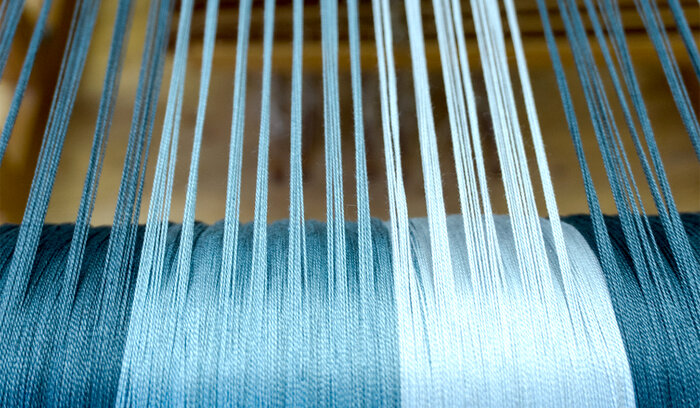
An edge produced on woven fabric during manufacture that prevents it from unraveling.
2.
(Geology) A zone of altered rock, especially volcanic glass, at the edge of a rock mass.
Examples of Selvage in a sentence
"The curtain’s selvage was a different color, which created a noticeable border."
"Tom wanted to study how the selvage of obsidian formed."
About Selvage
This word hails from Late Middle English. It is an alteration of “self” and “edge,” patterned off of the early modern Dutch “selfegghe.” While "selvage" has been in use since the 15th century, the geological usage dates only to the 1930s.
Did you Know?
While the earliest usage of “selvage” was related to textiles, the term has been borrowed for other fields. In printing, it refers to the excess area of a printed or perforated sheet, such as the white border area of a sheet of stamps or the wide margins of an engraving. It can also refer to the claylike material found along a geological fault.